Interior styles
Japandi vs Scandinavian: Compare Your Room With AI
By Roomlyo
Updated:
For a useful comparison, try a restrained Japandi direction and a brighter Scandinavian direction on the same room photo. Keep the room function and fixed features consistent, then compare palette, furniture shapes and texture.
Japandi and Scandinavian interiors can both use light wood, uncluttered furniture and soft neutrals. The labels alone do not settle a design decision. For your comparison, give each version a distinct emphasis: quieter earthy contrast and fewer objects for Japandi; a brighter base and softer everyday layers for Scandinavian. These are starting points for a brief, not rules every interior must follow.
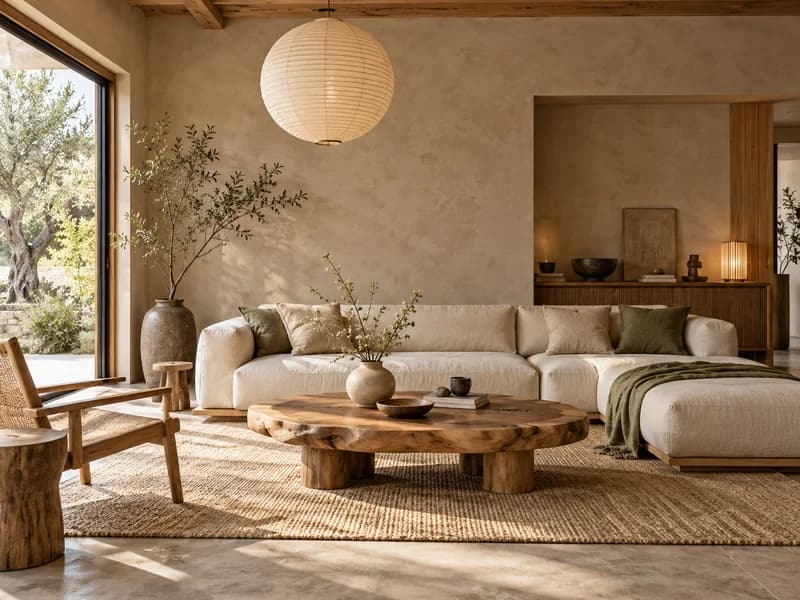
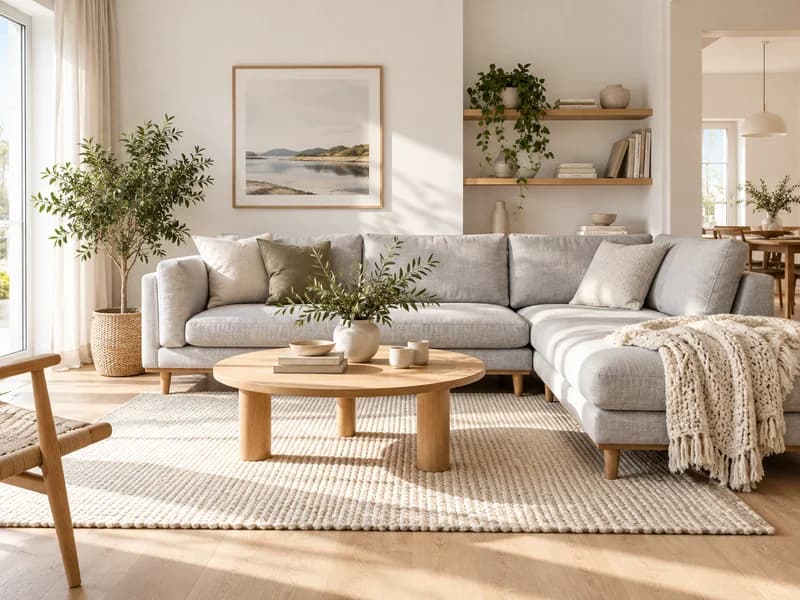
Choose the feeling before the label
For the Japandi version, try warm off-white, wood and muted earth tones with fewer decorative objects. Ask for simple forms and a deliberate balance of light and dark. For the Scandinavian version, try a brighter background, light wood, comfortable textiles and practical lighting.
Consider how the room is used. An uncluttered image can be attractive but leave nowhere for books, toys or work equipment. Include the same storage needs in both versions. A useful style direction has to accommodate your routine.
Make the comparison fair
Use the same starting photo, room type and empty or furnished setting. In the first run choose Japandi; in the second choose Scandinavian. Keep the same furniture functions, circulation priorities and instructions about fixed features. Each generation uses the credits or plan access applicable to your account.
Compare one decision at a time: wood tone, amount of contrast, textiles or the number of objects. If one image adds a fireplace or moves the window, it is not a fair style comparison. Discard it or adjust the brief instead of choosing it for its unrealistic architecture.
Bring the preferred elements together
You do not have to buy an entire matching room. You might prefer the darker wood contrast in one concept and the brighter textiles in the other. Write down two or three features you want to carry forward, then evaluate actual samples and furniture sizes.
Existing finishes matter more than a style label. If your floor is dark and the walls have a warm tint, compare candidate fabrics in that setting. The AI preview is a way to narrow choices, not a promise that every material will look exactly as rendered.
How to prepare your photo
- Use one clear, level photo for both versions. Show enough floor and wall area to judge the palette.
- Choose the same room type and furnishing mode for both runs. Select Japandi and Scandinavian separately in the style selector.
- Keep the functional instructions consistent. Only change the palette and styling emphasis you want to compare; instructions can be up to 800 characters.
Example instructions for the generator
Adapt this brief to your own space. Also select the style and room type in the generator settings.
Create a comfortable living room for conversation and reading. Keep the windows, doors, floor and perspective. Include a sofa, one reading chair, a coffee table and closed storage. Leave the entry clear. Use the selected style to guide the palette and textures, with simple shapes and restrained decoration. Do not introduce a fireplace, new openings or a larger room.
Common questions
Can I try Japandi and Scandinavian on my own room?
Yes. Both styles are available in Roomlyo. Use the same photo and settings, select a different style for each generation, and compare the results.
Does the free trial include both style comparisons?
A new account includes one credit for one free concept. A second generation requires another credit or active Studio access; see Pricing for current plans.
What to check in the visualization
- Compare both images with the original architecture before judging their style.
- Check whether both concepts provide similar seating and storage, so the comparison is about style rather than different functions.
- Note the palette, wood tone and textiles you prefer. Check physical samples and dimensions before buying.
From visualization to a real room
Style previews are illustrative and AI results vary. The two illustrations above are separate examples, not a controlled comparison or customer project.